
Hostel vs Hotel: A Guide for the Modern Traveler in Costa Rica
The Modern Traveler's Dilemma
Hostel or hotel? This question has evolved dramatically in recent years. What used to be a purely economic decision is now a travel style choice that completely defines your experience. If you're planning your Costa Rica adventure, especially if San José is on your itinerary, understanding the real differences between these two types of accommodation can make the difference between an ordinary trip and a transformative experience.
Modern hostels have left behind the stereotypes of neglected spaces for budget backpackers. Today they represent a completely different travel philosophy: community, authenticity, flexibility, and experiences over unnecessary luxuries. But is this right for you? Let's explore in depth.
The Evolution of the Concept: Hostels 2.0
First, let's clarify a myth: today's hostels are not the same as those from 20 years ago. The industry has matured enormously, especially in destinations like Costa Rica, where sustainable and experiential tourism has redefined expectations.
What Has Changed
Contemporary hostels, particularly in cities like San José, offer:
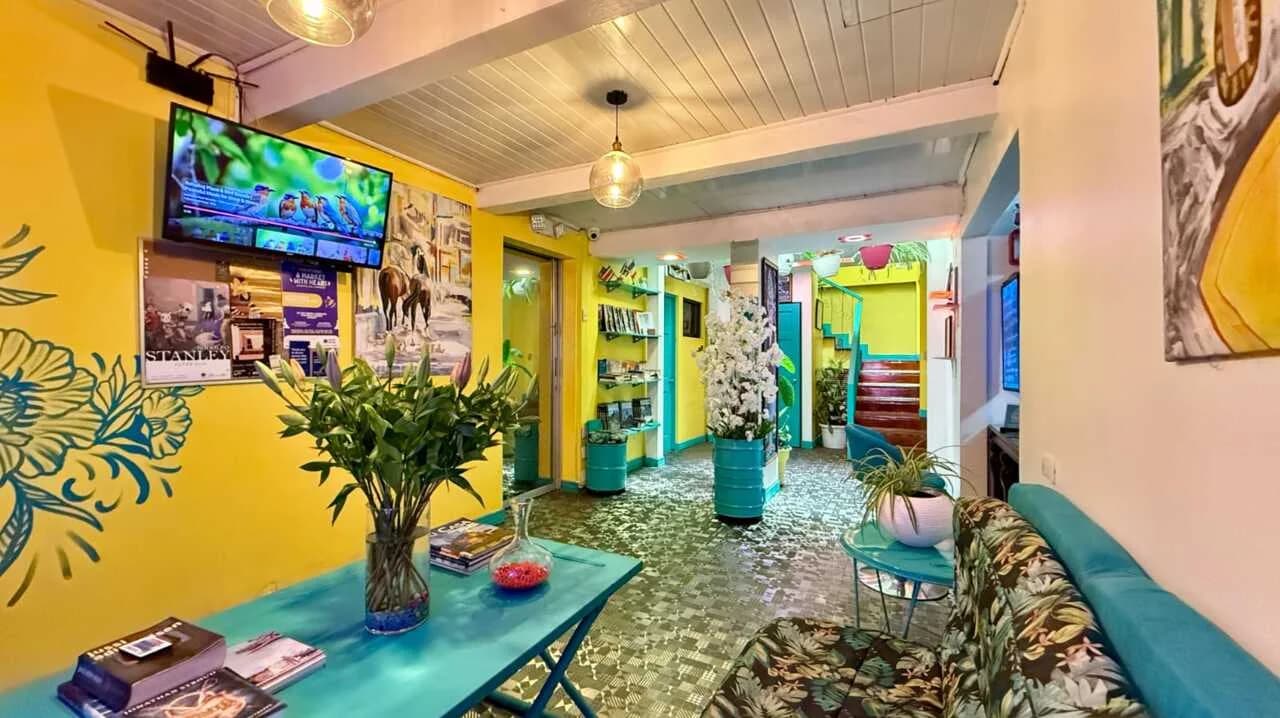
- Careful architectural design and inspiring aesthetics
- Work spaces equipped for digital nomads
- Private room options with ensuite bathrooms
- Cleaning quality that rivals boutique hotels
- Cultural programming and connections with authentic local experiences
What Remains (Fortunately)
The community essence, accessible prices, flexibility in services and, above all, the focus on connecting travelers with travelers and with local culture. These characteristics haven't disappeared; they've been refined.
Cultural Fact: Costa Rica has one of the most developed hostel cultures in Latin America. The "Pura Vida" philosophy aligns perfectly with the hostel spirit: simplicity, authenticity, and prioritizing human experiences over material luxury.
Real Advantages of Choosing a Hostel
1. Traveler Community: Your Live Social Network
This is, without a doubt, the most significant difference. In a hotel, your interactions are limited to the front desk staff and, if you're lucky, a polite greeting in the elevator. In a hostel, especially a well-designed one, connections arise organically.
In practice, this means:
- Companions for that tour you wanted to do but didn't want to go alone
- First-hand recommendations from travelers who just came back from where you're going
- International friendships that can last years
- Unexpected professional networking (never underestimate who you might meet in a shared kitchen)
Imagine this: you arrive in San José as a starting point to explore Costa Rica. In a hotel, you'd plan your route only with Google. In a hostel, during shared breakfast, you meet someone who just returned from Monteverde with specific tips on the best time to see the quetzal, another traveler organizing a group to share transport to Manuel Antonio, and a local who recommends the best soda in the neighborhood to try authentic casado.
2. Economic Value Without Sacrificing Quality
Let's be honest: budget matters, especially if you're a digital nomad, student, or simply prefer to invest your money in experiences rather than luxurious four walls.
Quality hostels offer options for different budgets and needs:
- Beds in shared dormitories for travelers who prioritize savings and community
- Private rooms with bathrooms for those seeking privacy without hotel prices
But the economic value goes beyond the room price. Hostels typically include:
- Full breakfast included
- Equipped kitchen for preparing meals
- High-speed Wi-Fi at no extra charge
- Free or low-cost organized activities
- Local information that saves you overpriced tourist tours
3. Flexibility and Services Designed for Real Travelers
Hotels are designed for tourists with fixed itineraries. Hostels are designed for travelers with evolving plans.
Practical differences:
Kitchen: Essential for long-term travelers, digital nomads, or people with dietary restrictions. A hotel offers you an expensive minibar; a hostel offers you a complete kitchen.
Work spaces: While many hotels charge extra for "business center," modern hostels integrate comfortable spaces to work with ample desks, multiple outlets, and stable connection, recognizing that many travelers work remotely.
4. Cultural Authenticity and Local Connection
Hostels, by their nature, are more integrated into local culture. An international hotel in San José could be in any city in the world. A local hostel reflects Tico identity.
How this manifests:
Design and art: While hotels opt for generic decoration, quality hostels incorporate local art, murals by Costa Rican artists, and design that tells the story of the place.
Local staff: Hostels tend to employ local staff who genuinely know the city beyond standard tourist attractions. They can recommend the market where Ticos actually shop, not the artisan market for tourists.
Cultural events: Many hostels organize language exchanges, local cooking nights, or collaborations with local artists and musicians.
Strategic location: Hostels tend to be located in developing neighborhoods like Escalante or near university areas, giving you access to the real local life of San José, not just the tourist zone.
Local Tip: If you want to understand the real San José, ask at your hostel where they have lunch or dinner. They'll take you to traditional sodas and local restaurants where a complete Tico lunch or dinner costs between $14-20 USD and the experience is completely authentic.
5. Personalized Security vs. Corporate Security
There's a myth that hotels are safer than hostels. The reality is more nuanced.
Security in hotels: Standardized protocols, cameras, security guards. Effective but impersonal.
Security in quality hostels: Staff who know guests by name, community that looks out for each other, individual lockers, monitored common areas. Security comes not only from systems, but from knowing who's in your space.
Additionally, modern hostels in Costa Rica offer:
- Security lockers in rooms
- Cameras in common areas
- Close collaboration with local tourist police
For female travelers, many hostels offer women-only dormitories for greater security, combining the hostel's social experience with extra peace of mind.
When to Choose a Hotel (Because Let's Be Honest)
Hostels aren't for everyone or every situation. It's important to recognize when a hotel is the best option:
Pro-Hotel Situations:
Couples trip seeking romance: If your priority is total intimacy and you're not interested in meeting other travelers, a boutique hotel might be more appropriate.
Formal business trips: If you need to receive clients or hold meetings in the lobby, a corporate hotel offers that environment.
Families with very young children: Although some family-friendly hostels work well, private rooms in hotels offer more space and fewer concerns about noise.
Specific accessibility needs: Hotels are usually better equipped for people with reduced mobility, although this is changing in newer hostels.
When price isn't a factor: If budget is unlimited and you value services like 24/7 room service, spa, and equipped gym, luxury hotels offer this.
The Modern Hostel Traveler Profile
Contrary to the stereotype, hostels aren't just for 20-year-old backpackers on a tight budget. The typical guest at quality hostels in 2025 includes:
- Digital nomads (25-40 years) seeking community and work spaces
- Solo travelers of all ages looking for social connections
- Budget-conscious couples who choose private rooms
- Creative professionals attracted by design and local art
- LGBTQ+ travelers seeking inclusive and safe spaces
- People in transition (gap year, career change, post-retirement) exploring new possibilities
Revealing Fact: Hospitality industry studies show that the average age in quality hostels has increased to 32 years, debunking the myth that they're exclusively for young people.
How to Choose the Right Hostel
Not all hostels are equal. Here's how to identify quality:
Indicators of a Good Hostel:
Verified reviews: Look for specific mentions about cleanliness, friendly staff, and atmosphere. Be wary of generic reviews.
Clear philosophy: The best hostels have a defined identity (artistic, eco-conscious, digital nomad, etc.) that attracts their ideal community.
Varied accommodation options: From dormitories to private rooms, demonstrating they understand different needs.
Included services vs. extras: Breakfast, Wi-Fi, and kitchen use should be standard, not extras.
Strategic location: Near public transportation, in safe but authentic neighborhoods, walkable to cultural attractions.
Visual presence: Hostels that invest in design and professional photography generally maintain that standard throughout their operation.
The Hostel Experience in San José: A Practical Case
San José is the perfect entry point to understand the difference. As the capital, it has the complete offering: international chain hotels, boutique hotels, and new generation hostels.
Why San José is Ideal for Hostels:
The city functions as a hub to explore Costa Rica, but it's not just a pass-through place. San José has a vibrant cultural scene that most tourists miss by staying in tourist zone hotels:
World-class museums: The Jade Museum, Pre-Columbian Gold Museum, and Costa Rican Art Museum are within walking distance of centrally located hostels.
Cultural neighborhoods: Escalante and Amón, centers of contemporary Tico art and gastronomy, are where smart hostels are located.
Authentic local life: Parque La Sabana, Mercado Central, traditional sodas - these experiences require local knowledge that hostels facilitate.
Base for adventures: From San José, you can organize expeditions to volcanoes, beaches, and cloud forests. Hostels connect travelers to share transport and experiences.
The Intangible Factor: Stories vs. Services
Finally, there's a fundamental philosophical difference:
Hotels sell services. Hostels sell experiences.
When you return from your trip to Costa Rica, what will you remember? The quality of the high thread count sheets in your hotel, or the night you improvised a dinner with travelers from five different countries using ingredients from the local market? The well-stocked minibar, or the deep conversation on the terrace with someone who recommended the best place to watch sunsets in Tamarindo?
Hotels offer you predictable comfort. Hostels offer you the possibility of unpredictable stories.
Your Decision: A Matter of Priorities
In the end, choosing between hostel and hotel isn't just a matter of budget. It's defining what type of traveler you are:
If you travel to disconnect from the world and enjoy temporary luxuries, a boutique hotel can be your sanctuary.
If you travel to connect with the world, understand different cultures, make international friends, and return with stories that change your perspective, a quality hostel is your space.
In Costa Rica, a country that has made "Pura Vida" its national philosophy, the choice becomes even clearer. The essence of this place isn't in luxury; it's in authenticity, community, and connection with nature and people. Values that the best Costa Rican hostels perfectly embody.
So the question isn't really "hostel or hotel?" The question is: "What type of trip do I want to live?"
We're waiting for you at Nativus Art Hostel to be part of your journey. Pura vida, traveler.